Buying a home in Menifee and wondering what a home inspection really covers? You want to feel confident about safety, costs, and what to negotiate before you close. In this guide, you’ll learn what inspectors look for, Menifee-specific risks to watch, when to order specialty inspections, and how to use your report to make smart decisions. Let’s dive in.
Why inspections matter in Menifee
A home inspection helps you spot material defects, safety hazards, and maintenance needs before you commit. In Menifee, a few local factors make inspections especially important:
- Wildfire exposure. Parts of Riverside County are near wildland-urban areas with seasonal wind events. You should evaluate defensible space, roof condition, vents and eaves, and any local fire zone designations. You can check fire hazard mapping on the CAL FIRE Fire Hazard Severity Zone map.
- Termites and wood-destroying pests. Southern California has both subterranean and drywood termite activity. It is common to order a separate licensed pest report.
- Soil and foundations. Inland areas can have expansive clay soils that shrink and swell. Look for uneven floors, cracks, and signs of movement.
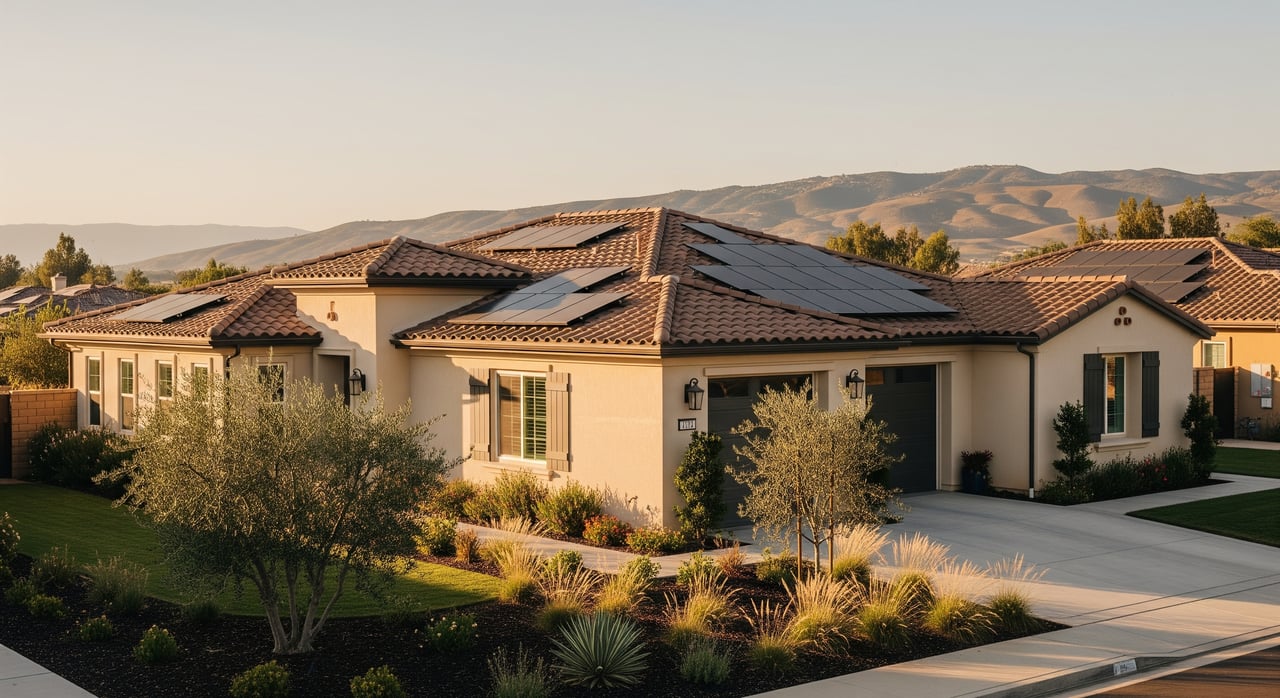
- Roofing and solar. Composition shingle and tile roofs are common, and many homes have rooftop solar. Tile roofs and solar arrays often warrant a deeper review.
- Pools, spas, and irrigation. Many properties include pools or automatic irrigation, which add safety and mechanical checks to your inspection plan.
- Utilities. Confirm who serves the property and where shutoffs are. In much of Menifee, water and sewer are with Eastern Municipal Water District, and electricity is with Southern California Edison.
What a general inspection covers
A general home inspection gives you a prioritized list of visible defects and safety issues. Under common standards, inspectors typically review:
- Structural components, visible foundation areas, floors, walls, ceilings, and accessible attic framing
- Exterior conditions, siding or stucco, grading and drainage, walkways and patios
- Roof covering, flashing, gutters, and roof penetrations when safely accessible
- Plumbing fixtures, visible supply and drain piping, water heater operation, and basic flow checks
- Electrical service and panels, visible wiring, GFCI and AFCI functionality checks
- HVAC operation, visible ductwork, filter condition, thermostat function
- Interior windows and doors, insulation levels where accessible, ventilation, and signs of moisture
- Built-in appliances with basic functional checks
- Safety items like smoke and CO detectors and obvious hazards
For scope details, review the ASHI Standards of Practice.
What a general inspection does not cover
It is not a code compliance inspection, and it is not destructive. Inspectors do not open walls or move heavy items, so hidden defects can be missed. It is also not a warranty of future performance.
Common exclusions or specialist items include:
- Licensed pest or wood-destroying pest report
- Sewer lateral video scope
- Engineering-level foundation analysis
- Roof certification or detailed tile and underlayment review
- Mold, asbestos, or lead testing
- Septic system evaluation
- Detailed pool hydraulics or spa electrical diagnostics
If your inspector flags a concern, plan follow-up with the appropriate licensed specialist.
Specialty inspections to consider in Menifee
Structural or engineering evaluation
- Order when you see significant cracks, uneven floors, or settlement. A structural specialist can outline repair scope and estimated costs.
Roof and solar review
- Consider for older roofs, tile roofs, or homes with rooftop solar or battery storage. Some lenders ask for remaining roof life estimates.
Pest and wood-destroying pest report
Sewer lateral camera scope
- Smart for older neighborhoods or lots with mature trees, backups, or unknown pipe materials. If the home uses municipal sewer, you can confirm service with Eastern Municipal Water District.
HVAC contractor evaluation
- Helpful for older systems, uneven heating or cooling, or complex zoned setups. A contractor can test performance and efficiency.
Pool and spa inspection
- Order for any property with a pool or spa. Review safety barriers, gates and latches, and equipment condition.
Electrical and photovoltaic system check
- Consider for older panels, visible DIY work, or solar and battery systems. Confirm safe interconnection and proper permits. For questions on electrical service, visit Southern California Edison.
Environmental testing as needed
- Lead-based paint testing for pre-1978 homes when appropriate disclosures apply, mold testing if moisture or visible growth is present, or asbestos testing for certain older materials.
Permit and remodeling verification
Your inspection timeline and costs in Menifee
- Contingency period. Your purchase contract sets the inspection contingency window. In many California deals, it is often 7 to 17 days. Schedule quickly to fit deadlines.
- Scheduling. Book the general inspection right after acceptance. Order specialty inspections based on the initial report and what you see on site.
- Report timing. General inspection reports often arrive the same day or within 24 to 48 hours. Specialty reports may take longer.
- Who pays. Buyers typically hire and pay inspectors. In California, sellers sometimes provide a pest report, but you can order your own for confirmation.
- Costs. A general inspection often falls in the mid-hundreds of dollars, with fees increasing for larger or more complex homes. Sewer scopes, pest reports, roof certifications, pool checks, and engineering reviews are separate line items. Get quotes to compare.
Plan to attend all or part of the inspection. Set aside 60 to 180 minutes depending on property size. Bring your questions, note shutoffs and panel locations, and review your contingency timeline so you can act quickly.
How to use your report to negotiate
Start by prioritizing health and safety, water intrusion, structure, and major systems over cosmetics. Then consider your options:
- Ask the seller to complete specific repairs with documentation
- Request a credit or price reduction
- Seek receipts and permit records for prior repairs
- Cancel within the contingency period if defects are unacceptable
If repairs are agreed to, work with licensed contractors and request receipts and permits. You can verify contractor status on the California Contractors State License Board. If the report flags significant issues, bring in specialists before you decide.
Local resources to verify
Buyer checklist and smart questions
Pre-inspection prep
- Confirm your contingency dates and schedule fast.
- Review seller disclosures and request permit history.
- Ask for recent utility bills to understand usage.
On-site and after the inspection
- Roof: age, material, flashing, and any cracked tiles
- Solar: documentation, inverter location, visible wear, and permit history
- Foundation: notable cracks, slopes, or prior reinforcement
- Drainage: grading that moves water away from the home and working gutters
- Termites/WDP: signs of activity and any prior treatments
- Sewer: ask about backups or past repairs; consider a scope for older homes
- Pool/spa: gate and latch operation, equipment condition, anti-entrapment features
- HVAC: age, service records, and visible duct condition
- Electrical: panel brand and capacity, double taps, GFCI in wet areas
- Safety devices: smoke and CO detectors functional
- Moisture: stains, musty odors, or prior remediation paperwork
Questions to ask your inspector
- Which items are safety issues versus maintenance or cosmetic?
- Which concerns require a specialist now?
- How urgent are repairs, and what rough costs should I expect?
- Do you see signs of unpermitted work that need follow-up with the city?
- For solar or battery systems, do you see any immediate electrical or fire hazards?
Common mistakes to avoid
- Relying only on a seller-supplied report. Order your own inspection within your contingency.
- Skipping a pest or termite inspection. In this region, a licensed WDP report is commonly recommended.
- Delaying specialty inspections. Schedule quickly if red flags appear.
- Assuming repairs will be done without documentation. Request permits, receipts, and re-inspection when needed.
- Hiring unverified contractors. Always confirm licensing and insurance.
You do not have to navigate inspections alone. With local expertise and integrated lending support, you can align your inspection timeline with your loan milestones and make confident decisions. If you are buying in Menifee and want a clear plan from offer to close, connect with Kingdom Keys Real Estate & Loans. We will help you stay on schedule, understand your options, and move forward with confidence.
FAQs
What does a Menifee home inspection include?
- A general inspection reviews structure, roof, plumbing, electrical, HVAC, interior, and basic safety items, with a written report that prioritizes visible concerns.
Do I need a separate termite or pest report in Southern California?
- Yes, it is commonly recommended to order a licensed wood-destroying pest report in addition to the general inspection.
How long is the inspection contingency in California purchases?
- It varies by contract, but many escrows use 7 to 17 days; schedule inspections right after acceptance to stay within your deadline.
When should I order a sewer scope in Menifee?
- Order for older homes, properties with mature trees, or any home with prior backups or unknown pipe conditions.
How do I verify if additions were permitted?
- Contact or search records with the City of Menifee Building & Safety to confirm permits and final inspections for additions or conversions.
What if the report shows major defects I cannot accept?
- You can request repairs or credits, or cancel within your contingency period if the issues are unacceptable, based on your contract terms.